
Most aluminium machines well with a sharp carbide tool. PCD — polycrystalline diamond — costs considerably more per tool, but on the right job it lowers the cost of every part. This guide sets out where PCD pays off, where carbide is the better choice, and what to send if you want a PCD tool quoted.
What PCD is
PCD is synthetic diamond: fine diamond grains sintered together with a metal binder, usually cobalt, as a layer on a cemented carbide backing. A PCD tip is brazed onto a carbide or steel tool body and ground or eroded to the cutting geometry.
Diamond is far harder than carbide, and a PCD edge stays sharp much longer. That suits aluminium, which needs a keen edge that cuts cleanly rather than smearing. Grain size is a trade-off: coarser grades are tougher and resist chipping, finer grades hold a sharper edge for surface finish.
Where PCD pays off
- High-silicon cast aluminium. The silicon particles in cast alloys — engine blocks, cylinder heads, transmission and pump housings — are abrasive. Carbide wears quickly in them; PCD resists that abrasion. A common rule of thumb is to consider PCD from about 12% silicon, but the alloy, the operation and the volume all count.
- Long runs. A PCD tool costs several times more than a carbide one. The price is spread over the parts it makes, so it pays when the same feature is machined thousands of times.
- Bores with tight size or finish requirements. Because the edge wears slowly, bore size and surface finish stay stable over a long run, with fewer offsets and tool changes. A PCD step or form reamer can also finish several diameters and chamfers in one pass.
- Machines that can run high speeds. PCD is used at the high cutting speeds aluminium allows. The economics depend on the machine and spindle being able to use them.
Where carbide is the better choice
- Prototypes, short runs and parts whose design still changes — a carbide tool is cheaper and quicker to replace.
- Wrought, low-silicon alloys, where a sharp, polished carbide tool already gives long life.
- Machines with limited spindle speed or rigidity, long overhangs or unstable fixturing. Vibration chips a PCD edge.
- Heavily interrupted cuts with a high risk of edge chipping, unless a tougher PCD grade is specified for them.
PCD is not for steel or cast iron
At cutting temperature, iron draws carbon out of the diamond and the edge breaks down quickly. PCD is for aluminium, copper, brass, other non-ferrous metals and abrasive composites — not for steel, stainless steel or cast iron. Parts that combine aluminium with cast-iron liners or steel inserts have to be reviewed case by case.
Compare cost per part, not tool price
The useful comparison is cost per part: the tool price divided by the parts it makes, plus the machine time lost to tool changes, offsets and scrap. On long runs in abrasive alloys this is where PCD wins; on short runs carbide usually does.
Ask for an estimate on your own alloy, cutting data and annual volume rather than relying on a tool-life multiple from a brochure.
Typical PCD tools for aluminium parts
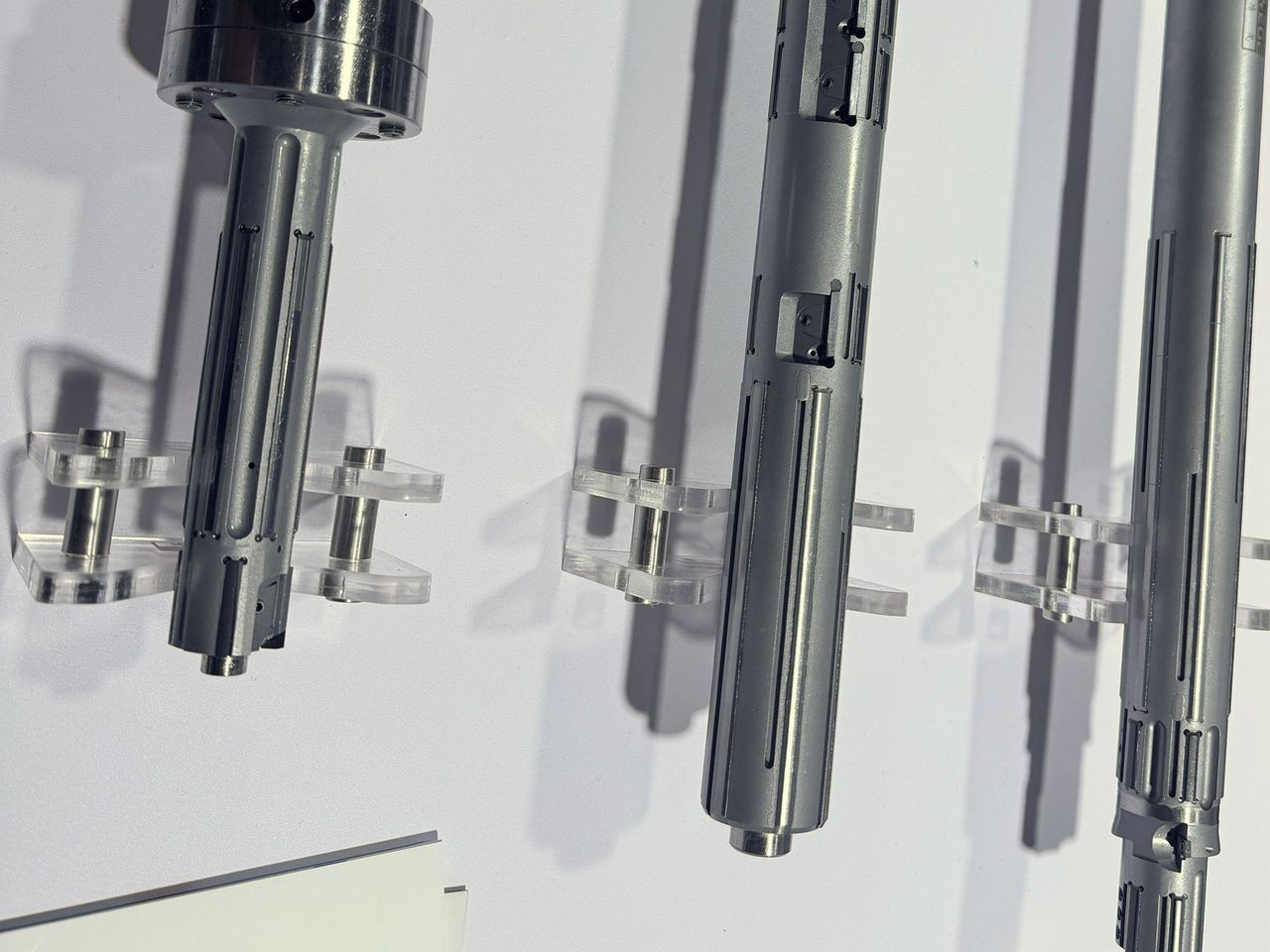
Step and form reamers for bores, boring tools, face and profile milling cutters, and chamfer tools — usually made to the component drawing. Every PCD tool we supply is made to a written specification, with a drawing sent for your approval before production. See PCD tooling and the PCD guide for aluminium bores.
What to send for a PCD quote
- Alloy designation and silicon content
- Component drawing with bore diameters, steps, depths, chamfers and machining allowance
- Tolerance and surface finish requirements
- Machine, spindle interface and available reach
- Batch size and annual volume
Send what you have — see what to send for a custom tool quote, or request a PCD tool quote.