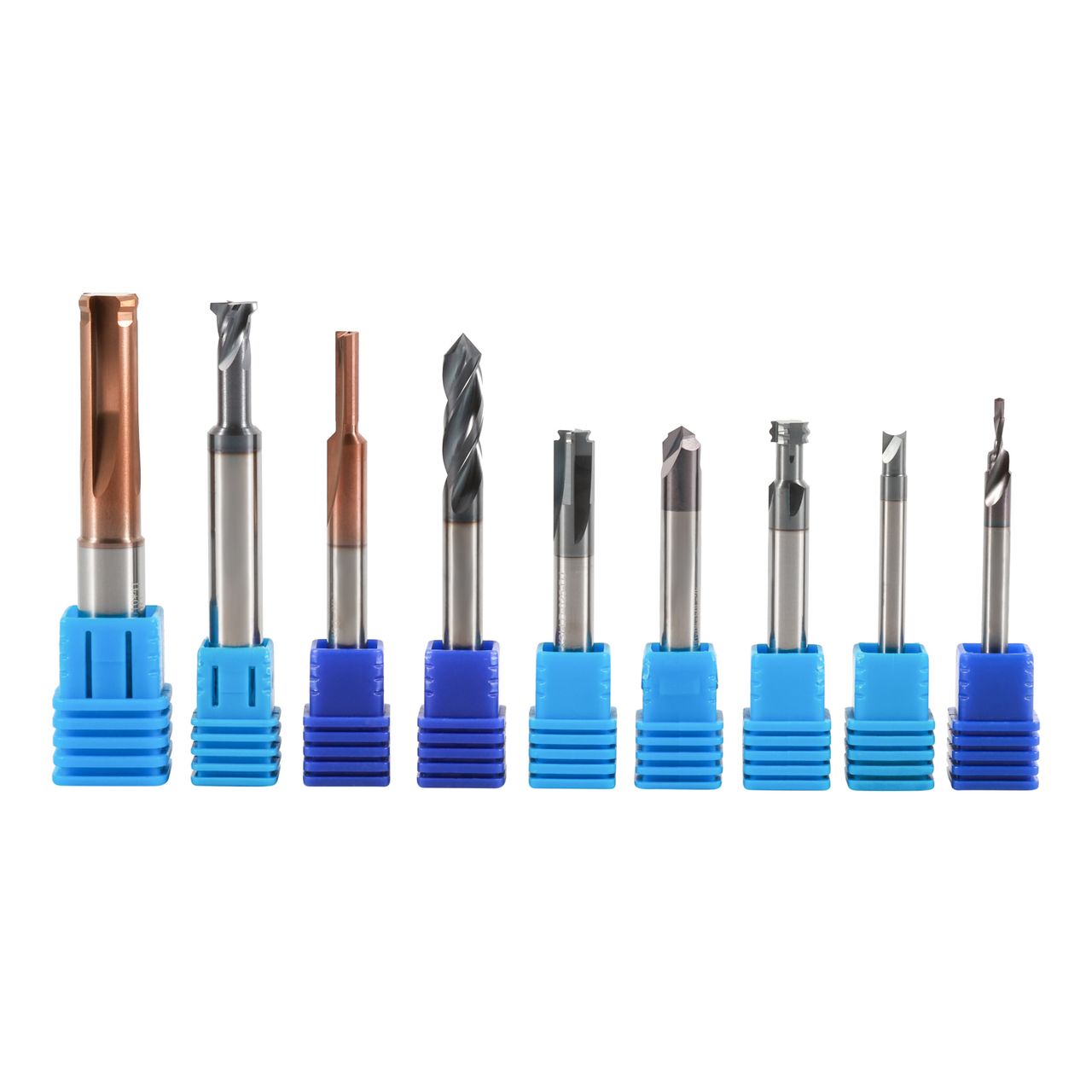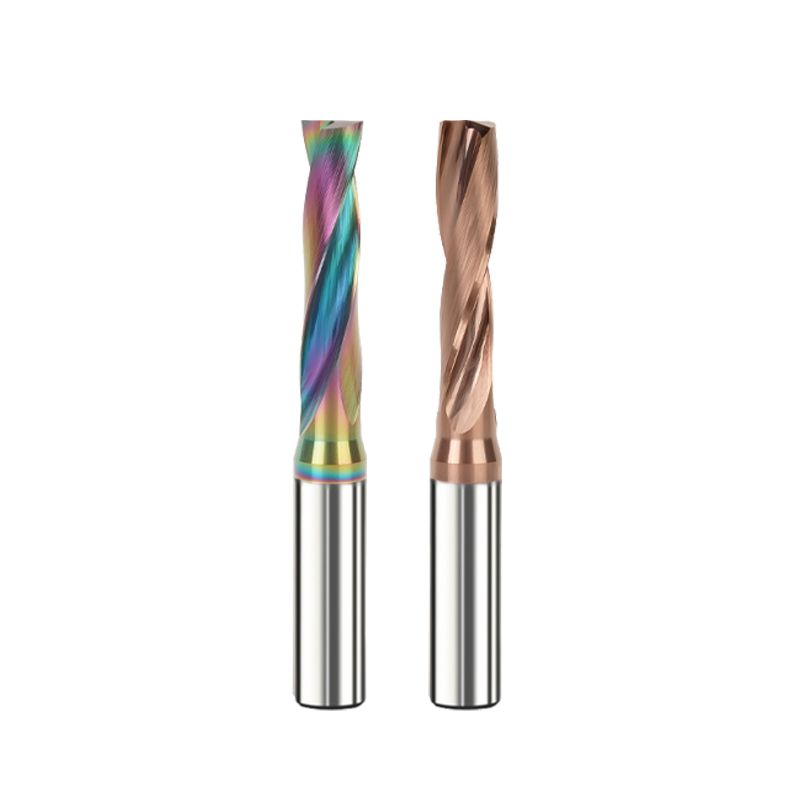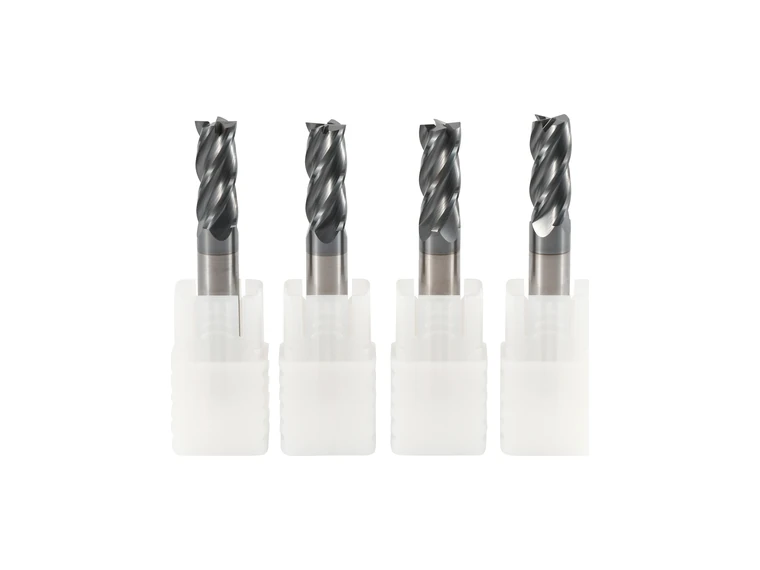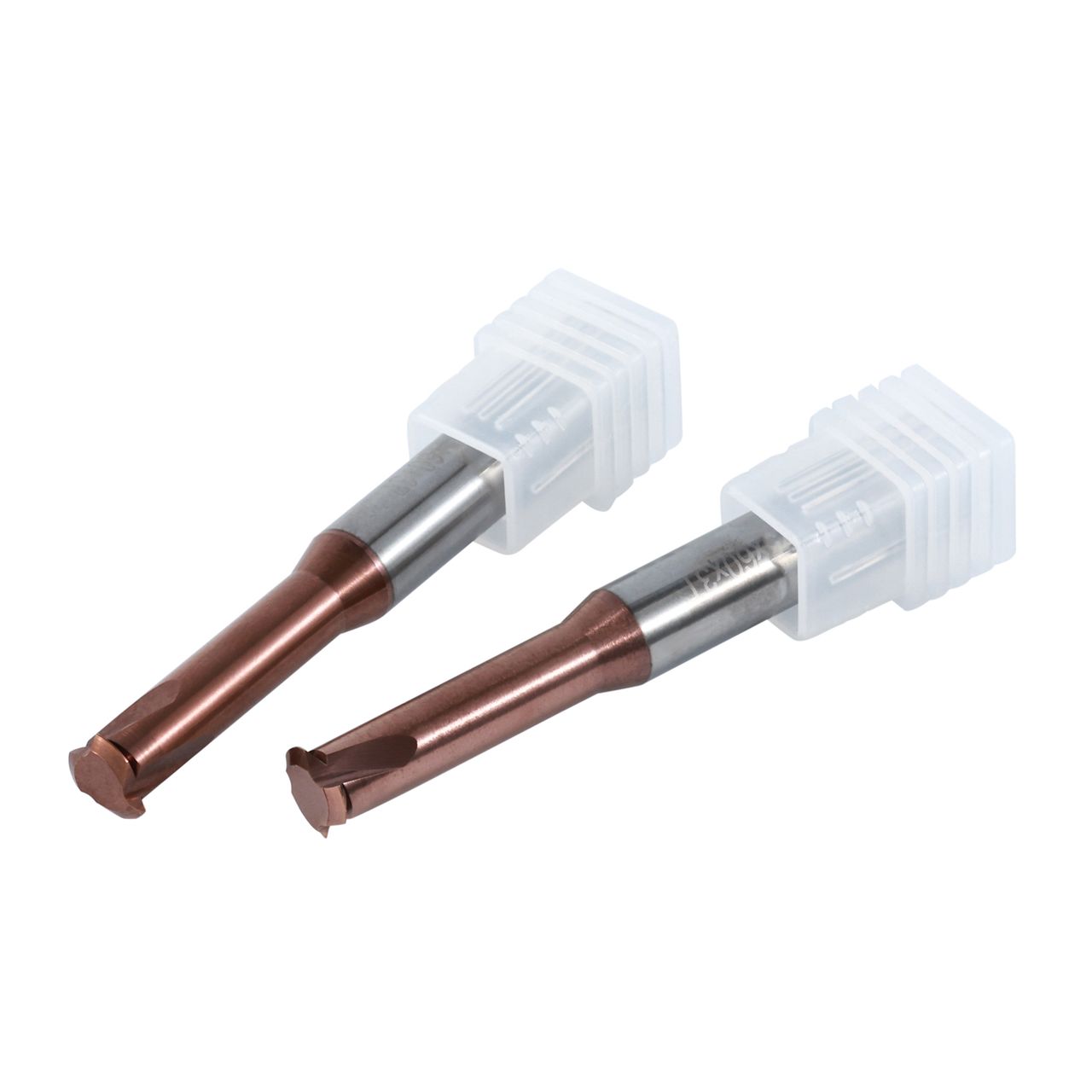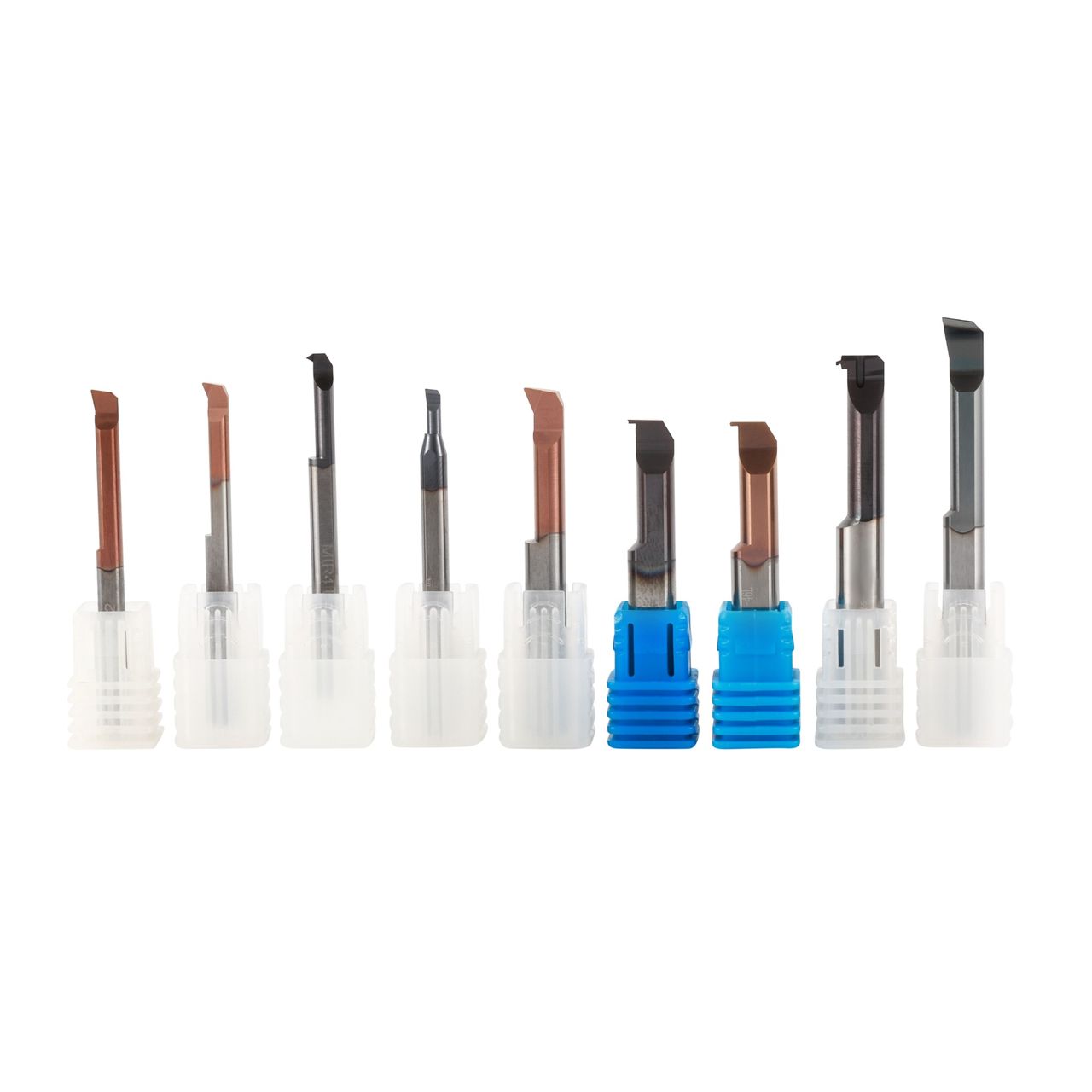
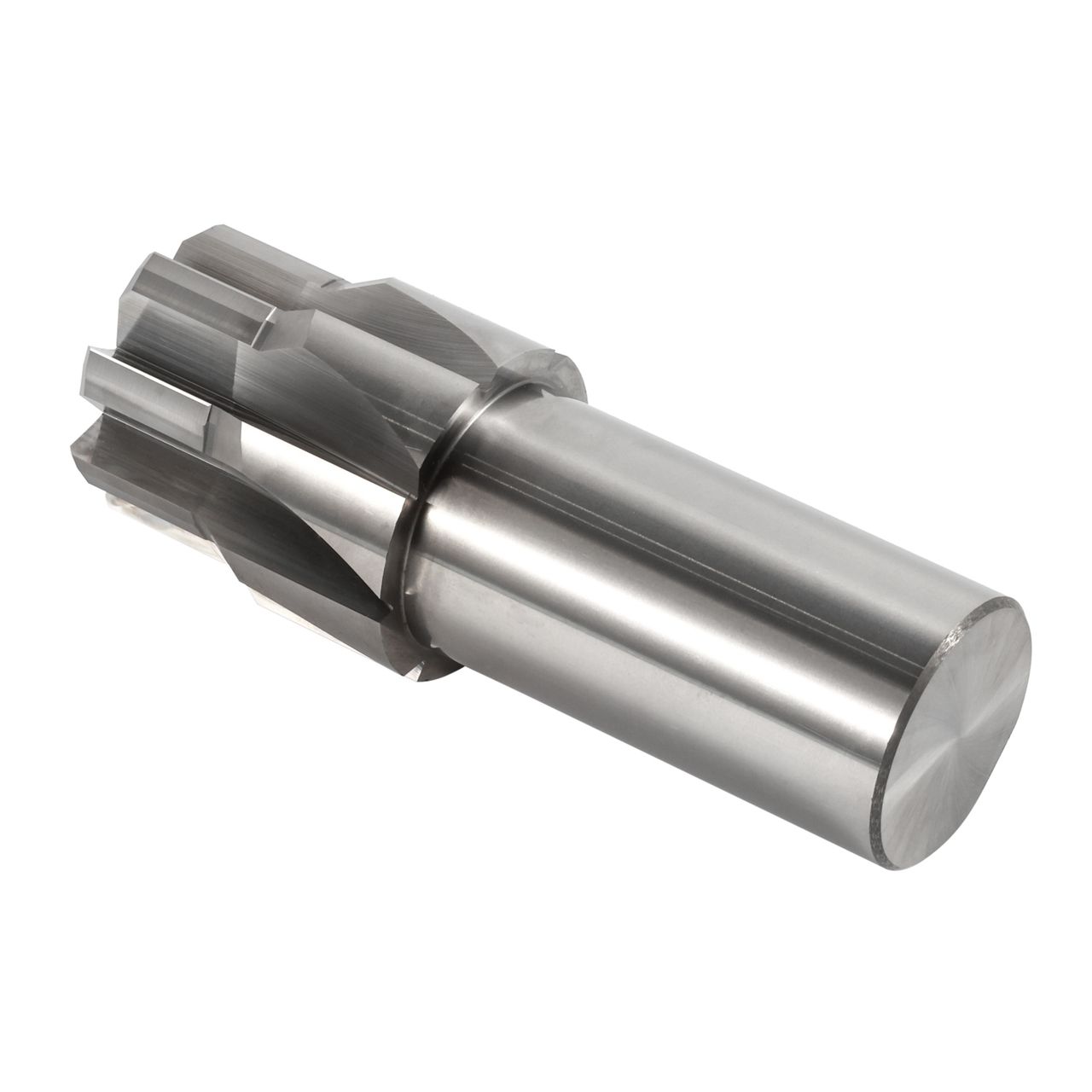
A custom tool is only as good as the information behind it. Most delays in quoting a special drill, end mill or form tool come from one missing detail — a tolerance that isn’t on the drawing, a material given only as “steel”, or a machine that can’t take the shank we would choose. This checklist is what we ask for, and why.
1. A drawing — of the tool or of the part
The fastest quote starts from a drawing. Either works:
- A tool drawing, if you already know the geometry you need: diameters, lengths, point or corner form, flute count and helix, shank.
- A part drawing, if you know the feature but not the tool: we propose a tool geometry and send it back for your approval before anything is ground.
PDF is fine. DWG, DXF, STEP and IGES are better for profiles, because they carry exact geometry. A clear photo of the part or of the old tool, with a ruler in shot, is a reasonable start when no drawing exists.
2. The workpiece material — as specifically as you can
“Steel” covers everything from free-cutting mild steel to hardened tool steel, and the right geometry and coating change with it. Give the grade and condition where you can, for example 304 stainless, 7075 aluminium, or H13 hardened to 50 HRC. For cast iron, composites or plastics, say so — each needs a different edge.
3. Tolerance and surface finish
State the tolerance on the feature the tool will make — a bore class such as H7, a diameter ± value, or a profile tolerance — and any surface finish requirement. If the tolerance is on the part drawing, point us to it. These two values decide how the tool is ground and how it is inspected.
4. Quantity and timing
How many tools, and whether this is a one-off, a trial before a production order, or a repeat. Include the date you need them. Custom lead time is confirmed with each quotation.
5. The machine and the set-up
A few details avoid a tool that is right on paper but wrong in the spindle:
- Machine type (lathe, machining centre, Swiss-type, 5-axis).
- Holder and shank requirement (for example a 6 mm h6 shank, or an inch shank).
- Coolant: external flood, or through-spindle — and the pressure, if you know it.
- Any reach or clearance limit.
6. What the tool must replace or improve
If the tool replaces an existing one, tell us what it is and what you want to change — tool life, finish, cycle time, or simply a second source. Sending the old tool or a photo of its wear helps.
After you send it
We review the drawing and the details above and reply with questions, if any, and a quotation. For made-to-drawing tools, we confirm the tool drawing with you before production starts, and every order is inspected before it ships.
You can send your request with files here, or email the drawing to eddie@deleveltool.com.